
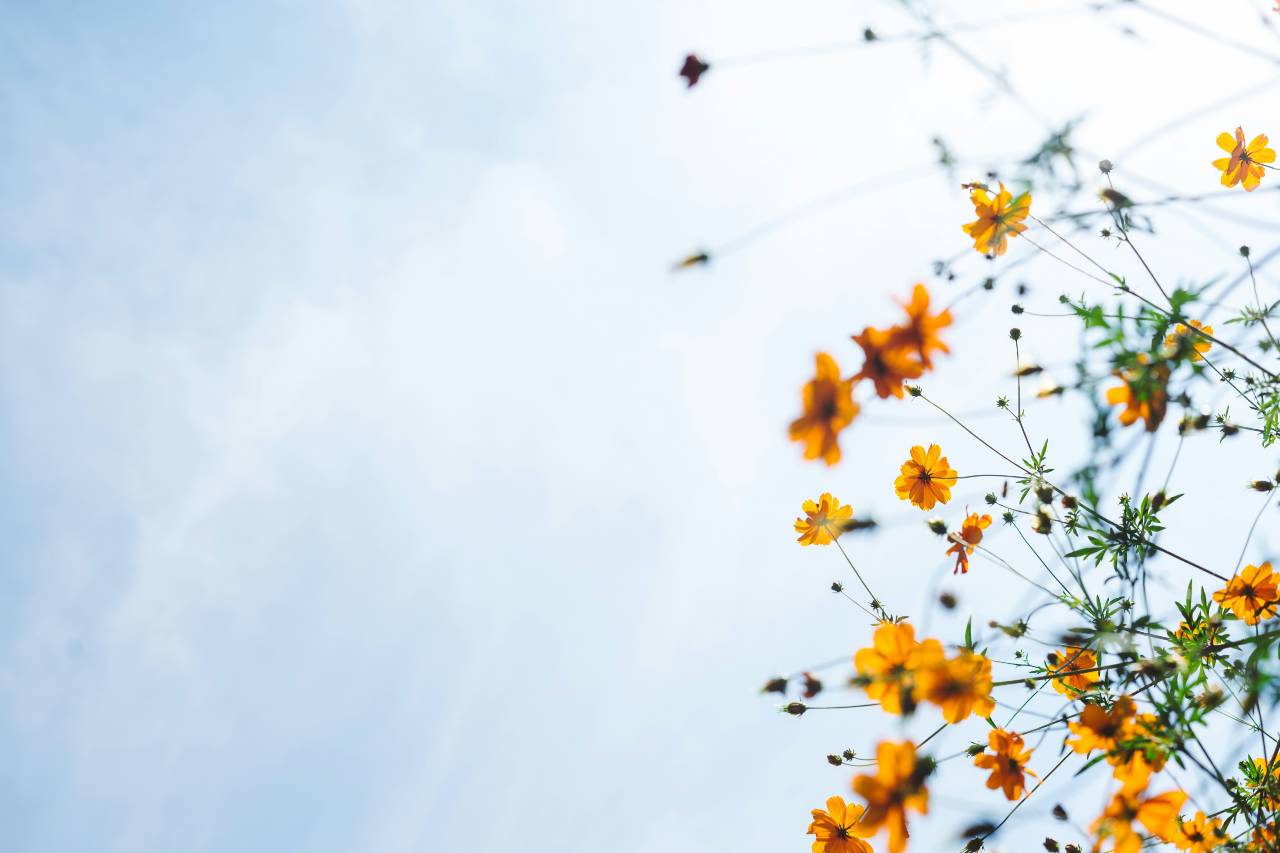
The difference between a flowering plant and a weed is a matter of taxonomy. Seriously. And the boundaries are squishy. Consider that the taxonomical structures claim the tomato as both fruit and vegetable.
I’m not a master gardener, but the reason we treat one as good and the other as evil is that we intend the one and the other just shows up uninvited. We plant the “good ones” and the “bad” we say “invade.”
Or, perhaps we claim weeds are bad in themselves, as Jesus describes in last week’s gospel passage, because the weed may steal the resources of another and choke its life.
OK, when we put it that way, it definitely sounds bad. And note that this latter idea may quite literally be the point of his message. Not that weeds do that and are bad, but that anyone who does this is doing bad stuff.
Outside that example, however, the demonization of weeds is not so cut and dry. And we can see it better when we remember that Jesus doesn’t demonize types of people. He condemns certain specific behaviors; most notably the abuse, oppression, and exploitation of the weak.
When we are eager to judge the weed itself, we begin to hurt all wildlife and condemn our ways of working together, regardless of difference.
By better understanding how plants interact and why they are the way they are, we might see how our best intentions for protecting the “good” plants may in fact be detrimental to our ecosystem.
Native plants which flower and bloom, in such a scheme, are designated as evil, ripped from the soil, and replaced with a tamed variety. A scheme that matches our desires for control. And fueled by pesticides and pollution, one which also endangers our most precious wildflowers, eco-diversity, and stability.
Note:
If we zoom out and acknowledge how the taxonomical system works, we can see the geopolitical problems which arise from this same thinking.
Two of these issues which come to mind include the great place of migration and human interactions; most prominently in practices like “mowing the grass.”
Another that comes to mind is humanity’s relationship to the environment and the ease with which humans invade ecosystems already occupied and then treat that wildlife as pest. We cut off migration routes with highways and interstates, for example and get mad when deer dare cross the road.
The problem isn’t the “pest” but the mindset we have adopted that classifies our ecological neighbor as a problem to us. And they have a pretty solid claim to say the same about us.