
And the call to follow Jesus
Epiphany 3A | Matthew 4:12-23
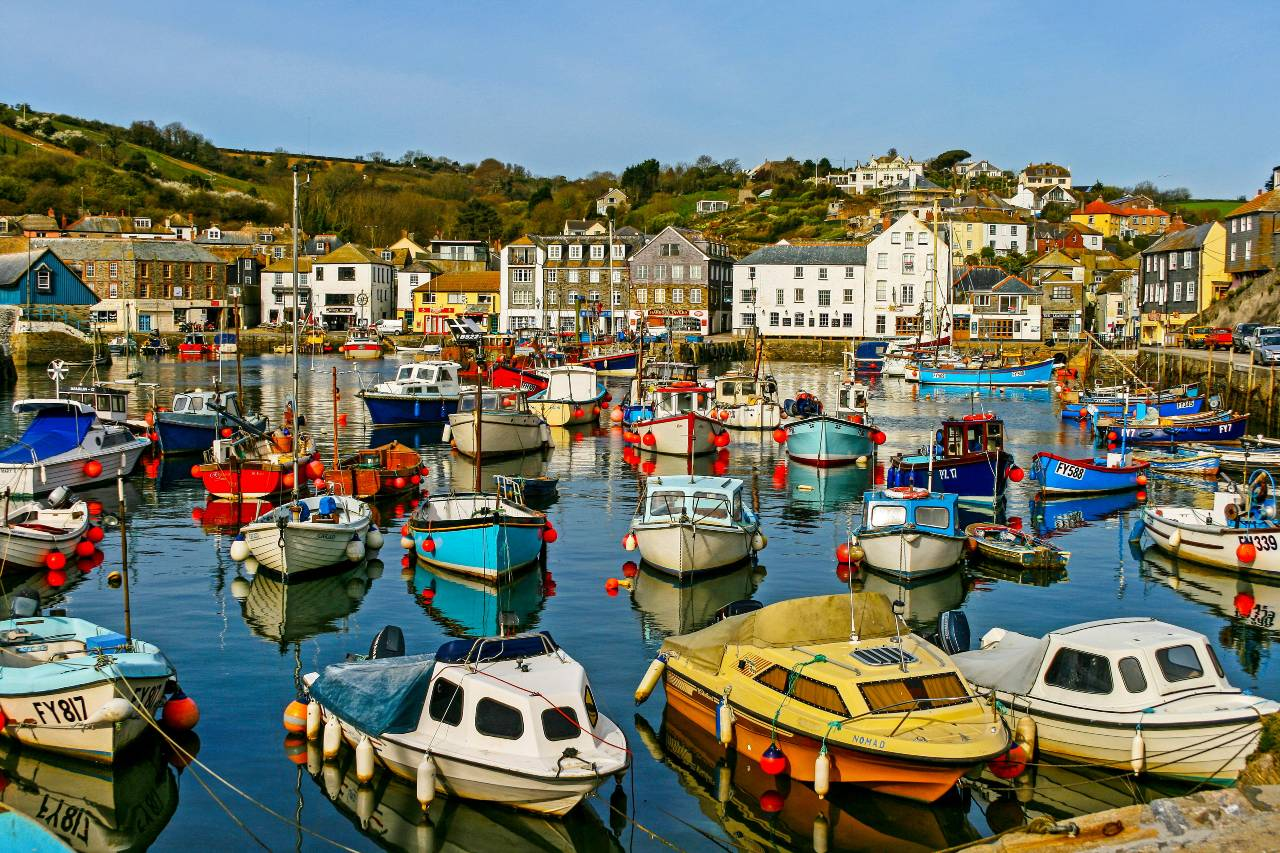
Here we go! The more familiar call story. Four dudes in boats fishing. So normal, memorable. If you were around last week, you heard a very different story from the gospel we attribute to John. In that one, John the Baptist points out Jesus to his followers, and two of them break off and start following Jesus. One of those is my namesake, Andrew, who goes off and starts recruiting others, including his brother.
This story is different, more immediate. And, perhaps more importantly, doesn’t start in a place of contentment and excitement — of following a prophet and having a path forward. Of hope and expectation for a better world. It starts someplace else.
It starts with Jesus, alone. Receiving dark news. John has been arrested.
OK — let’s back up. Rewind.
The Early Years
The Gospel we attribute to Matthew sets the stage on page one. It begins with a genealogy, which speaks of how we get from Abraham to Jesus, through multiple stories of God’s grace, through pain and struggle, through women’s ingenuity and faith, even to the point of God’s making Jesus the son of Joseph by blood — meaning, it wasn’t DNA, but God’s grace and intervention and love that make it so.
Then we move from the genealogy to the birth to the wise men to the exile in Egypt and the massacre of the innocents to the return and the move to Nazareth. That’s the first two chapters.
We move forward to the rise of John the Baptist and the baptism of Jesus, which we heard about two weeks ago. And immediately after the baptism, the Spirit draws Jesus into the wilderness for a quarantine, where he dives deep into solitude. And it is there that he is tempted by the Adversary with power, over his environment, the people, and God. This wilderness temptation is not so tempting to Jesus, in the end. He resists, rejects the very idea, and is left alone.
Like the temptation of power, the story we might be tempted to hear is one of solitude, of loneliness and powerlessness. Emptiness and fear. We could hear that in Jesus’s experience, or read that into our own quarantine with him, as we wander our own wilderness now. But Jesus isn’t tempted or lonely. He doesn’t stay there. He leaves, searches, and finds more. He finds some brothers in a couple of boats. Fishing.
Darkness and Light
I don’t want us to leave this transition yet, however. There is hope and excitement and people! People! After forty days alone, the idea of being around people seems so attractive to the hungry, lonely soul. But this isn’t about loneliness exactly. This is about darkness and light, of temptation and resistance, of straying from the Way and the generous love of God. And Jesus has to make his way, traveling to a particular place, here in this spot, where these four young men are.
The evangelist notably quotes Isaiah here:
“the people who sat in darkness
have seen a great light,
and for those who sat in the region and shadow of death
light has dawned.”
Here we are, then! It isn’t Jesus, who is in darkness, for he is the light. It is about the people and their experience. Like the people who flocked into the wilderness to find John, to be baptized by him in the Jordan River. This isn’t a coincidence. This is the same wilderness — the same deadly space of separation and isolation. And yet, it is there that Jesus finds his test and where people find the truth.
Let us resist the impulse to make a pastoral rendering of the wilds, however, of our own secluded spaces filled with trees and rivers and woodland creatures and its companion villainy of cities and people and our common life together. This would lead us to misunderstand the message, the conflict, the purpose of Jesus coming into the world at the most basic and counterintuitive level — in vulnerability. As a baby. To be raised by parents who loved him and cared for him, protecting him and teaching him. That he would grow up to be, as we might say today, radicalized by the love of God. To reveal that love in cities and towns and all spaces in between.
We have experienced darkness, too.
Our wilderness isn’t out there, is it? It isn’t in the space between cities, where wolves and bandits lurk. For many of our neighbors, it is also here. Armed masked men breaking windows and pulling them from cars. A judicial system that seems designed to syphon money we don’t have for inevitable outcomes that feel so unjust. Healthcare bankruptcies. Unable to move into safe housing. A living hell.
It is from within this darkness that people have seen a great light. Living in a region shadowed by death, light has dawned. Isaiah’s promise is being fulfilled in Jesus — and from this place of yearning for safety and hope and joy. This is how Jesus can show up and lead grown men to abandon their livelihood to follow an itinerant rabbi to who knows where on a simple promise.
“Follow me, and I will make you fish for people.”
And he can say this because he has already asked them, called them, promised the world, and all those he meets this same message:
“Repent, for the kingdom of heaven has come near.”
Repent, turn, face a new direction — turn, for God’s dream has come near. That world you want, that world God has been sharing with humanity for thousands of years. That new possibility is close enough to touch. Close enough that you can make it real. Come, help push it over the edge.
Making the Dream
The most memorable part of this passage is the action in the boat, isn’t it? The calling, that great line about fishing for people, the dropping of the nets and the abandoning of the life they are living. All of this is so familiar and exciting. Christians love this story. Because it is about the promise and they are so close and we are so close to it, too. And it can feel like this.
The story doesn’t end here, though. For them, it starts here. Like the baptism of Jesus, this isn’t the central story, it is the shot that starts the race, the burst of energy that brings us out of our malaise. But it isn’t the whole story. The story is about a life that has only now begun. A life that is lived with hope and genuine anticipation for the presence of the light in their lives, in their community, in all that they will do.
It is only more powerful than what comes next from the vantage of darkness. For the light has come. Our reading concludes with verse 23:
“Jesus went throughout Galilee, teaching in their synagogues and proclaiming the good news of the kingdom and curing every disease and every sickness among the people.”
Isn’t it amazing? The call story gets the energy but “curing every disease and every sickness among the people” is the summary!
We treat the darkness like inevitability, like an impossible power. But it also isn’t balanced in the real world either. Darkness arrests our minds and leads us to obsess over solutions. We ask one another about the “right” way to get out or what is the “one thing” that we each can do to solve this common problem: that the darkness has covered over everything and we feel so hopelessly and helplessly alone.
And yet, the mere promise of Jesus balances this darkness. Even saying his name is light. He brings the dream into the world, making it real, human, alive.
Dreamers
Our work then, as bearers of light, of followers of Jesus, as participants in God’s dream for the world is to be co-dreamers. Our creator has made us to create beautiful, newness in this world. To love and redeem, hope and enjoy. To live this life with God’s dream as our own. A pattern that matches our most true and good desires for love and to love, to be shared with and to share, to be known and to know others. To make the beloved community here, in this physical space, with these other earthly creatures, knowing that we can, knowing that it is God’s dream for us, and to find true joy and love in the process. And in the end, God will call it good. I’m confident of that.
It isn’t one man’s dream, but God’s, ours, shared throughout history, appealing to our better natures, to our common search for peace and love. It is a joy to think about and long for, to envision and to embody. And we do it every time we get together to love. To love. To love every last bit of this space, our neighbors, and what can be. Not just what is, but what we can be. Today. Tomorrow. And every day ahead.
Like Andrew, Peter, James, and John, called to fish. To go out, not to collect, but to serve, to love, searching with hope and anticipation, seeking with joy and strength, dropping the nets into the water and waiting, praying, knowing that they will fill, trusting in God’s grace, and then pulling them into the boat, metaphorically, right? Not to hoard and collect and number populations of people, to profit — the metaphor doesn’t go that far. It is about the work, though. It is about our talents, too. The things we are good at. And about the things we need to let go of to make it happen. Like those men in those boats dropping their nets. Literal nets. To come ashore. For a promise. For work. To be a part of something transcendent and beautiful. For all of us.