
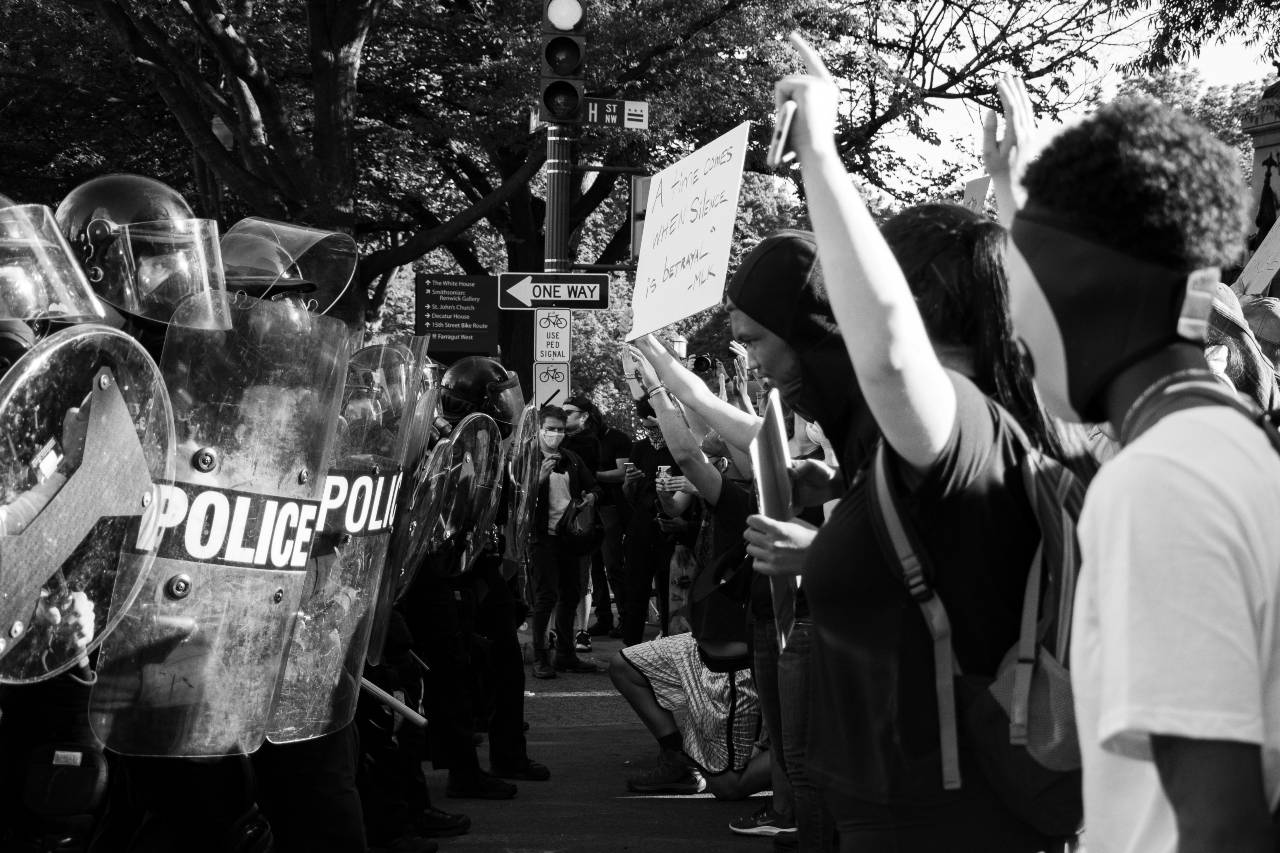
Check this out:
Jesus turns to the crowds and speaking of John the Baptist, he asks what they expected to see when they went out into the wilderness, flocking to hear this prophet and be baptized by him in the Jordan River — a reed shaking in the wind?
He is interrogating the people now. This isn’t about John, but their expectations of the prophet. They flocked to him. But now that he’s in prison, where is their enthusiasm?
People, you went out to see him. Why? What did you expect? And why are you confused now?
He contrasts the wildness of John with the softness of the royalty. This isn’t about machismo or character, mind you. The insipid toxicity of the modern masculinity conversation is grotesque and distorted. This isn’t that.
Jesus is talking about location — the safety of power and the insecurity of the wilderness.
Jesus seems to be pointing to their willingness to seek the Good News in the wilderness while expecting it to look like the insulated power of empire. That they might assume that it should be easy and comfortable to challenge empire. That soft, rational words will be heard as a fair critique of power.
It is as if the powerful would respond with a similarly soft understanding of decency and generosity. Thank you for bringing this to our attention. I didn’t realize we were committing genocide or abusing our own citizens. We’ll fix that immediately!
They know this isn’t the way of the world, but they still judge their prophets and excuse their empires.
It is as if they expect the prophet to be treated like a politician rather than terrorist.
So do we expect the same? Do we demonize the division that grows when prophets tell us the truth about our security?
What is it we expect to see? And why doesn’t that expectation match our beliefs?